When people talk about the circular economy, many picture recycling bins and awareness campaigns. Useful, but that is the end of the chain. The real circular economy starts much earlier: when you design a product, an offer, a company.
Having been recognised twice for green economy initiatives, I’m convinced this field offers real opportunities to entrepreneurs in our region. On one condition: think in business models, not just good intentions.
Three principles, a design question
The Ellen MacArthur Foundation, the international reference on the subject, sums up the circular economy in three principles, all driven by design: eliminate waste and pollution, circulate products and materials at their highest value, and regenerate nature. The foundation stresses one point: recycling is a good start, but designing for a circular system from the outset prevents waste from existing at all.
For an entrepreneur, this becomes a simple question: where in my value chain is value being thrown away? And who would pay to recover it?
Waste is often a raw material that hasn’t found its customer yet.
Model one: upcycle by-products
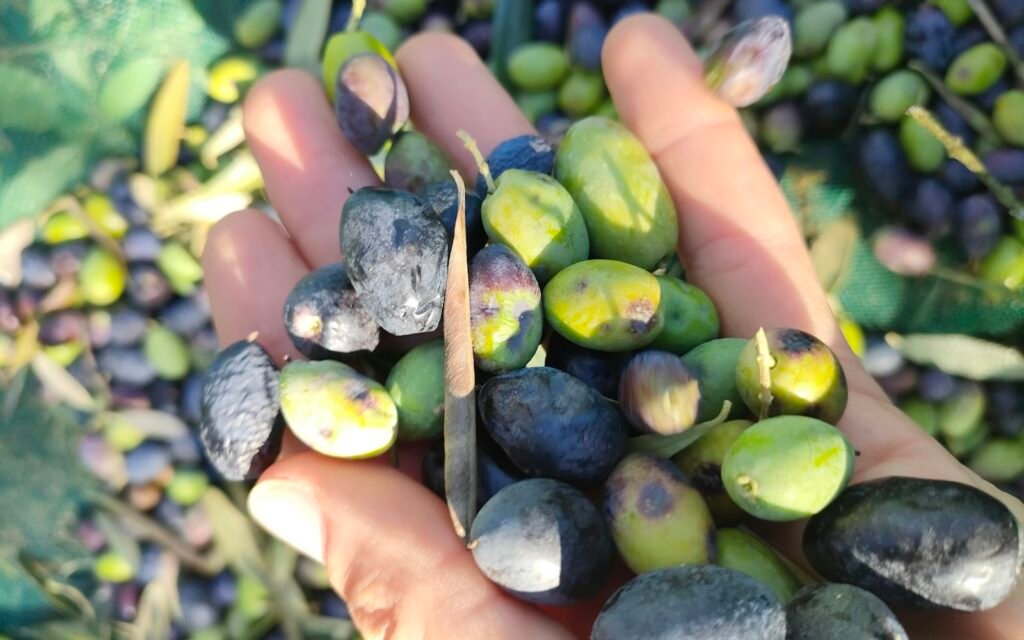
The Mediterranean is an agricultural region. Tunisia is among the world’s major olive oil producers, and every season produces huge volumes of pomace, pits and leaves. The same goes for dates, citrus fruit and fishing. These by-products can become fuel, compost, a cosmetic ingredient, animal feed or a material.
The business model is clear: buy or collect cheaply a material the producer wants to get rid of, process it, sell it to a market that needs it. The challenge is rarely technical. It is logistical and commercial: securing regular supply, stable quality and solid outlets. That is exactly what the Business Model Canvas forces you to specify.
Model two: repair and refurbish
Phones, appliances, furniture, clothing: much of what is thrown away could keep working for a long time. Repair and refurbishment circulate products at their highest value, the foundation’s second principle.
Tunisia has a long culture of repair. What is often missing is trust: warranty, transparency about the product’s condition, after-sales service. A company that professionalises that trust, with a clear diagnosis, a written warranty and a polished online presence, turns informal know-how into a brand.
Model three: sell the use, not the object
Deposit containers, equipment rental, subscription instead of purchase: these models reverse the logic. The company keeps ownership of the product and therefore has an interest in making it last. For a food or cosmetics producer, a system of reusable jars with a small deposit can cut packaging costs and build a loyal local clientele.
This model requires rigorous organisation of collection and cleaning. It works best at the scale of a neighbourhood or a city, with regular customers.
Rigour before rhetoric
In all three cases, the rule is the same as for any green project: viable first, verifiable second. Viable, meaning able to find customers and cover its costs without a permanent subsidy. Verifiable, meaning able to measure what it avoids or regenerates: tonnes diverted, products repaired, containers reused.
The circular economy isn’t an add-on for the conscience. It’s a way of seeing value where others see waste. In the Mediterranean, that value is everywhere, in our fields, our workshops and our cities. What remains is to turn it into businesses.
Sources
- Ellen MacArthur Foundation, “Circular economy principles”
- Ellen MacArthur Foundation, “Eliminate waste and pollution”
Frequently asked questions
What is the circular economy?
According to the Ellen MacArthur Foundation, a system based on three design-driven principles: eliminate waste and pollution, circulate products and materials at their highest value, and regenerate nature.
Which circular business models suit a small company?
Upcycling by-products, repair and refurbishment, and products offered as a service or in reusable containers.
Is the circular economy profitable?
It can be when it cuts material costs or creates revenue from what used to be thrown away; like any project, it must be tested with a precise business model.
Want to apply this to your project?
Réservez un appel découverte gratuit de 20 minutes.